Josef Čapek (1887–1945)
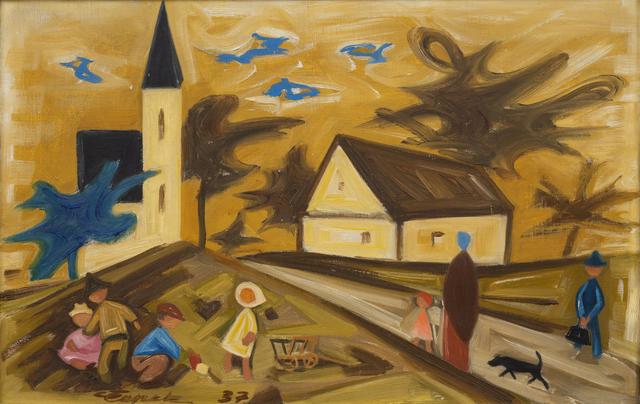
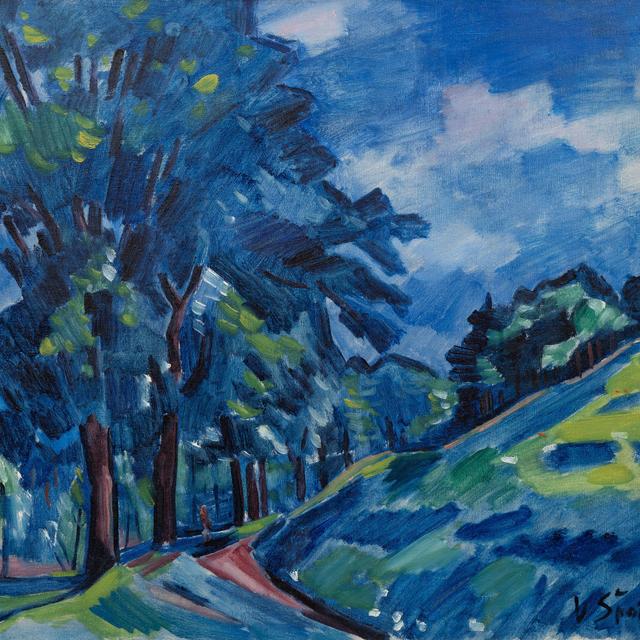
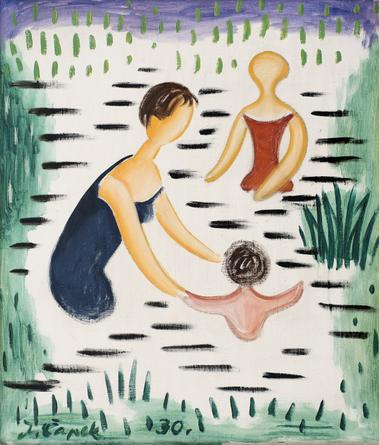
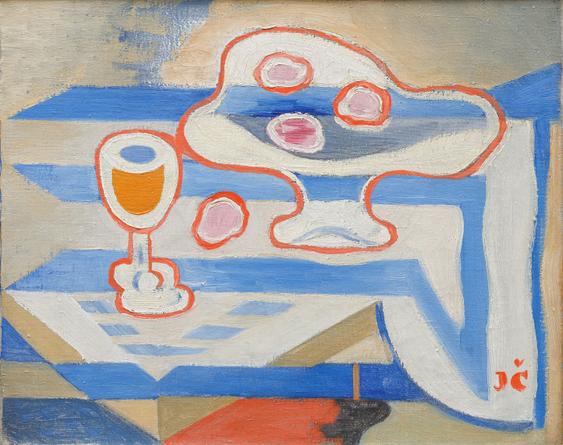
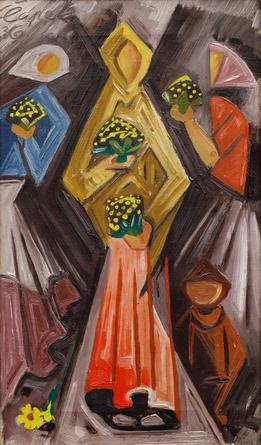
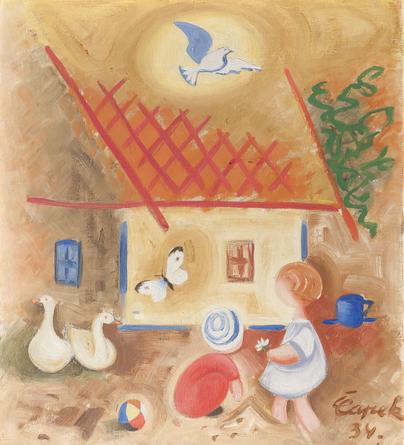
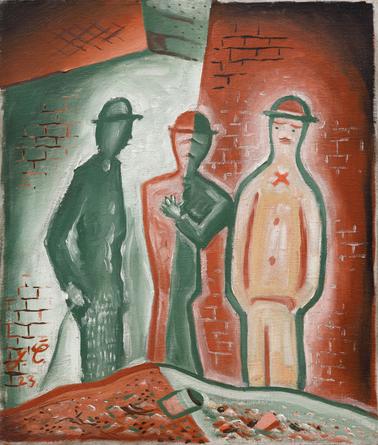
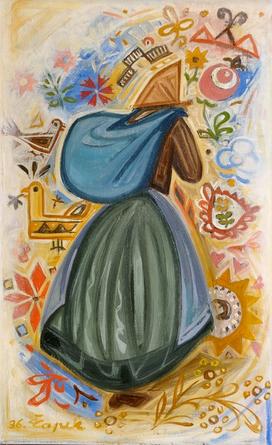
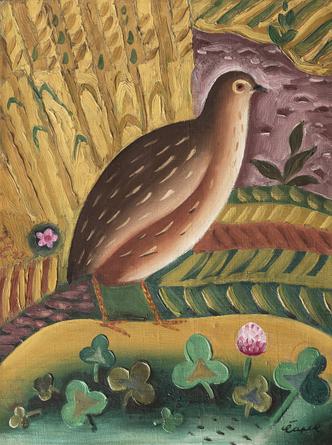
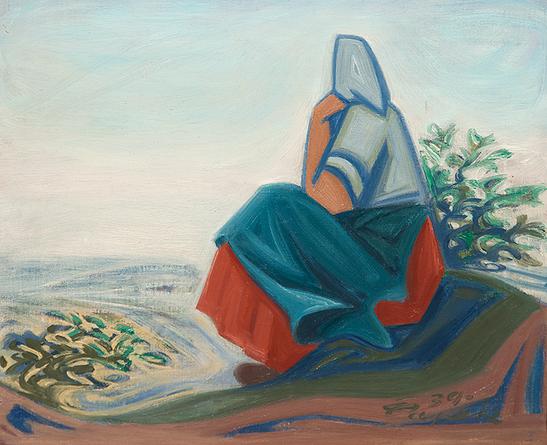
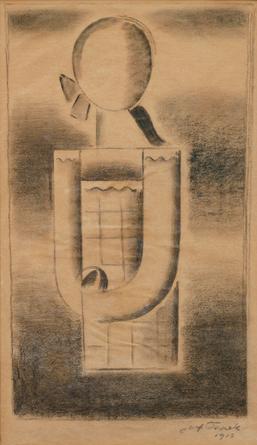
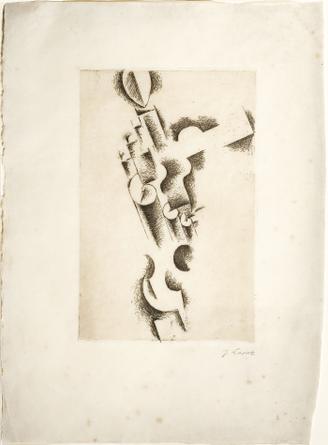
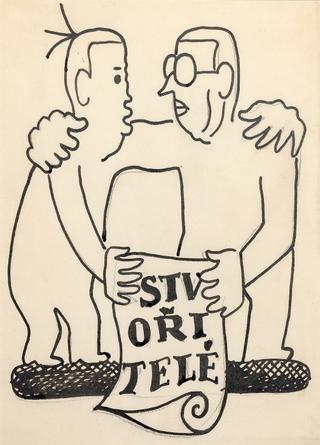
The name Josef Čapek most often brings to mind charming book illustrations. However, the artist was gifted with a great sense for painting and the graphic arts. He was a scenographer, journalist and editor, and, like his brother Karel, he pursued writing and art criticism. His unusually wide range of artistic practices, capacity for artistic synthesis and crossover into the literary and intellectual spheres are among the most valuable qualities of his work. He studied painting, his core discipline, from 1904–1910 at Prague’s Academy of Arts, Architecture and Design (UMPRUM) under professors Dítě, Šaloun and Preisler. He set out for Paris on his first study tour in 1910–1911. There, he visited the celebrated Académie Colarossi and viewed a retrospective exhibition of Henri “Le Douanier” Rousseau, as well as an exhibition of primitive art at the Trocadéro Palace; this artistic register became a defining element in his further work. After returning from his travels, Čapek became a member of the Skupina výtvarných umělců (Group of Visual Artists) – an association of avant-garde artists and art theorists, many of whom had left the Mánes Association of Fine Artists (then focused on current artistic trends, such as Expressionism and Cubism) due to generational conflicts. Čapek also served as editor of the magazine Umělecký měsíčník, before briefly joining Mánes in 1913 and becoming a co-editor of Volné směry around the same time.
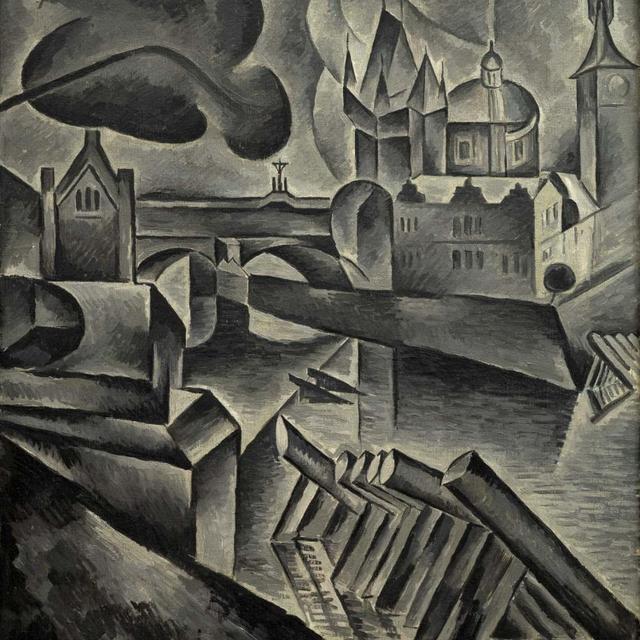
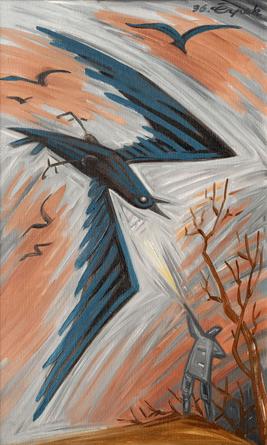
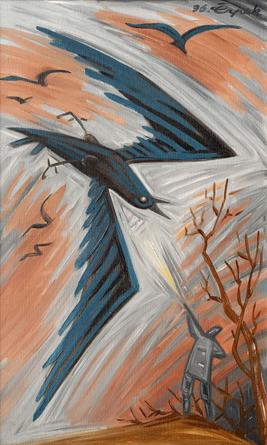
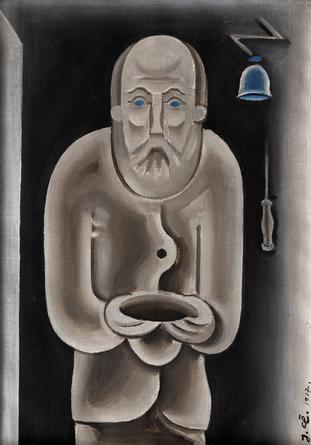
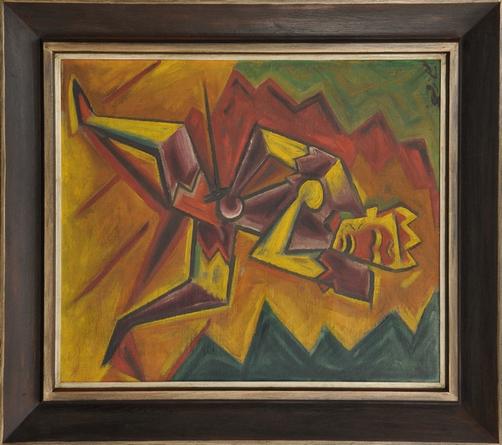
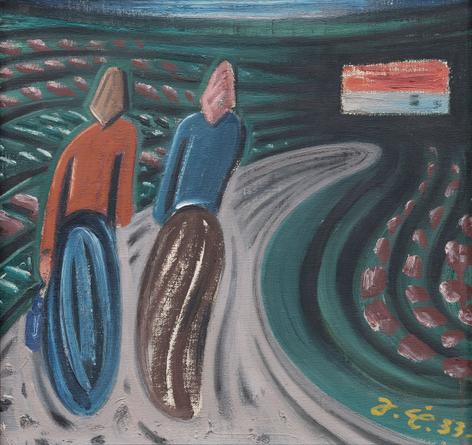
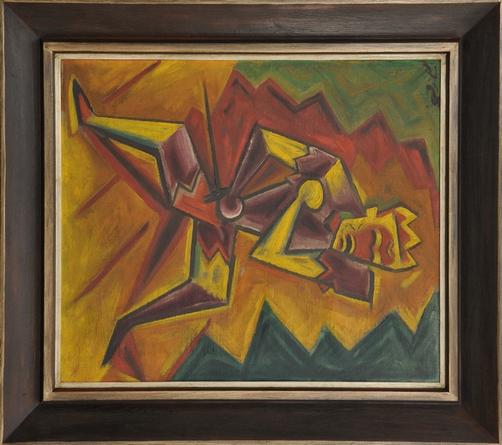
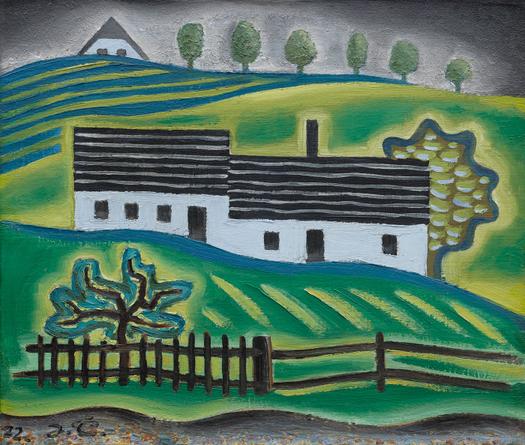
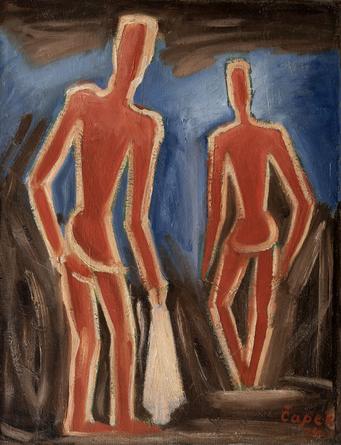
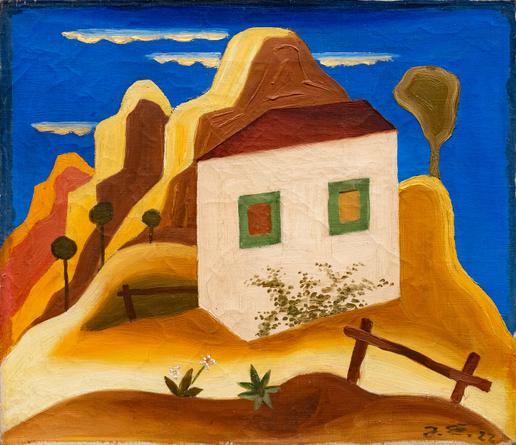
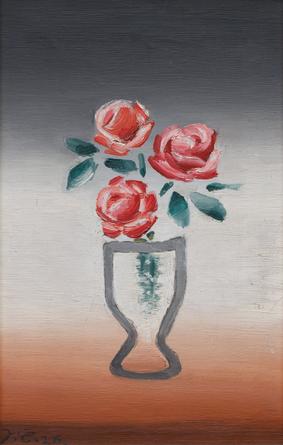
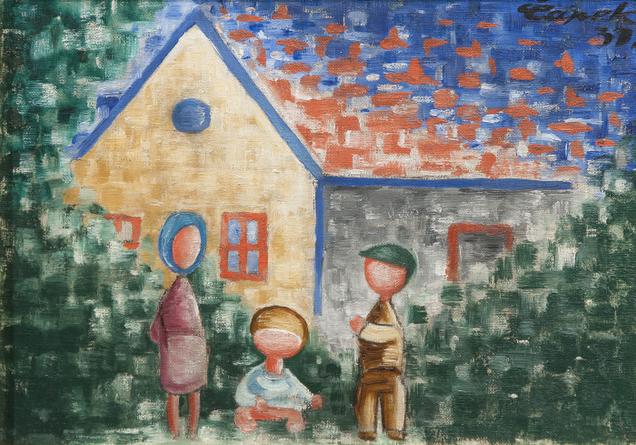
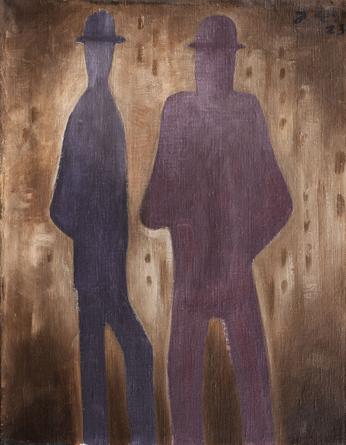
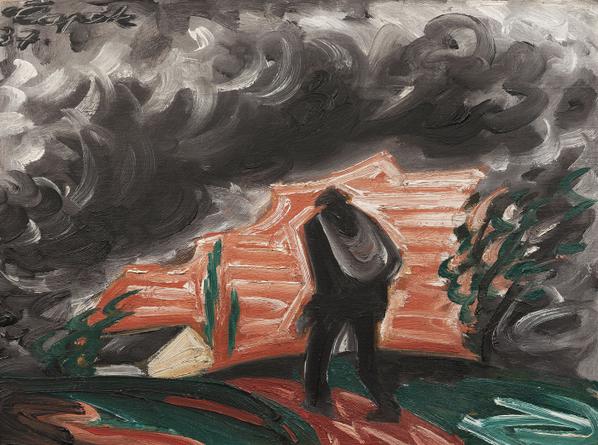
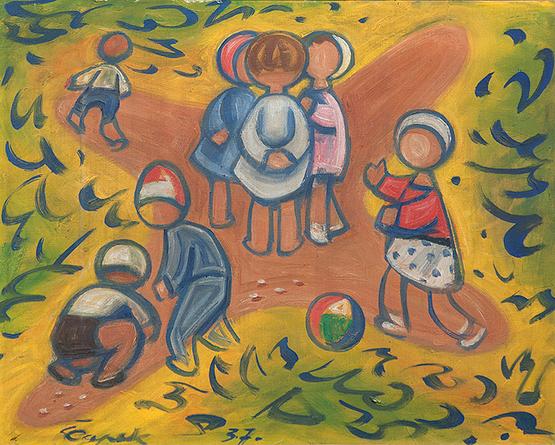
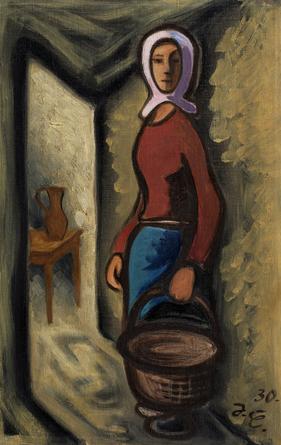
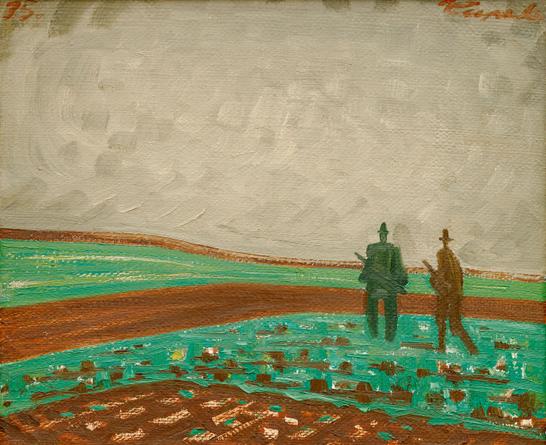
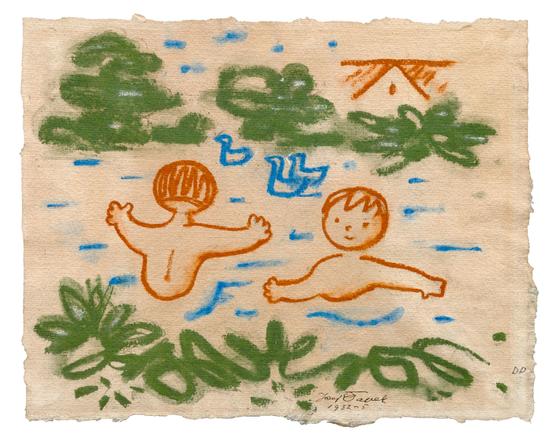
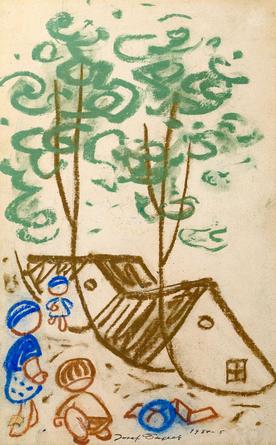
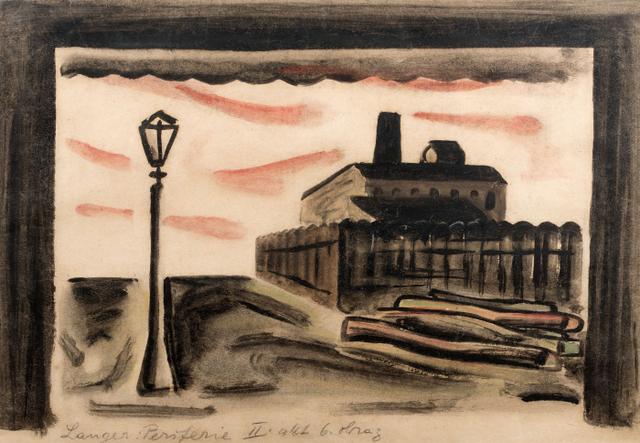
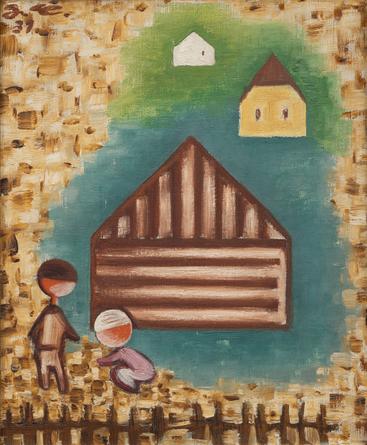
The contours of Čapek’s artistic style had started to emerge even prior to World War I. In the paintings Drinker (1913) and New Building (1913), he responded to the stimuli of Fauvism, Expressionism and especially Cubism in a distinctive manner marked by early social sensitivity. Cubism almost left its mark on the interwar evolution of his work. With the founding of the group The Obstinate (Tvrdošíjní) in 1918, themes of the urban periphery entered his artistic repertoire, followed, from 1928, by motifs of children and rural landscapes, which are inseparably linked to him. With the coming threat of war, ornamental playfulness and optimism waned, leading to the creation of paintings such as Fire or A Longing, based on the concept of resurrecting human idealism and national liberation. In September of 1939, Josef Čapek was arrested by the Gestapo and placed in concentration camps in Dachau, Buchenwald, Sachsenhausen and finally Bergen-Belsen, where he succumbed to a typhoid epidemic.
Items of the author
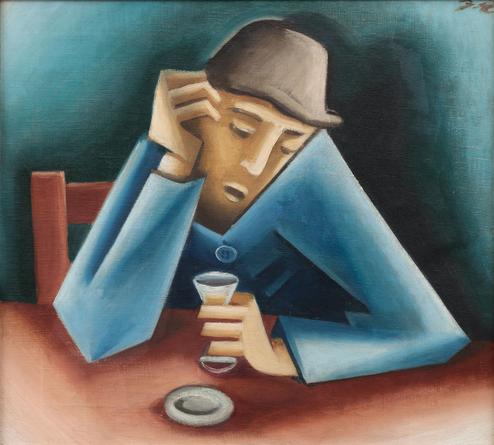
14,000,000 – 22,000,000
9,000,000 CZK
Hammer price:
28,400,000 CZK
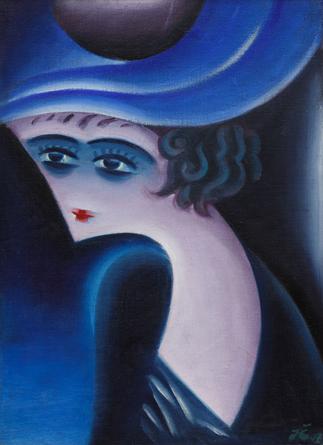
12,000,000 – 22,000,000
8,000,000 CZK
Final price:
30,600,000 CZK
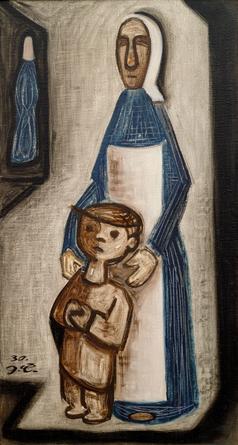
6,000,000 – 9,000,000
4,000,000 CZK
Final price:
18,000,000 CZK
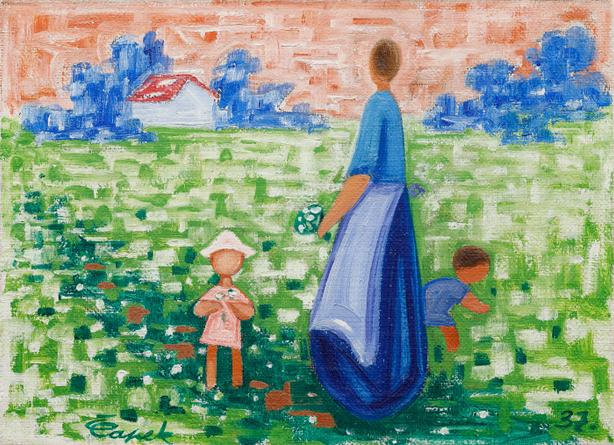
7,000,000 – 10,000,000
5,000,000 CZK
Final price:
16,320,000 CZK
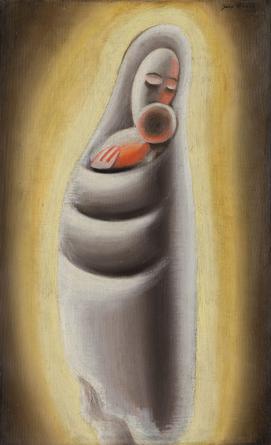
4,000,000 – 8,000,000
3,000,000 CZK
Final price:
15,600,000 CZK
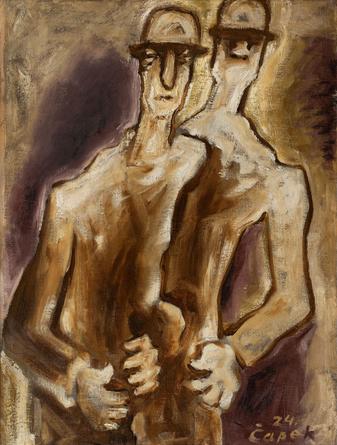
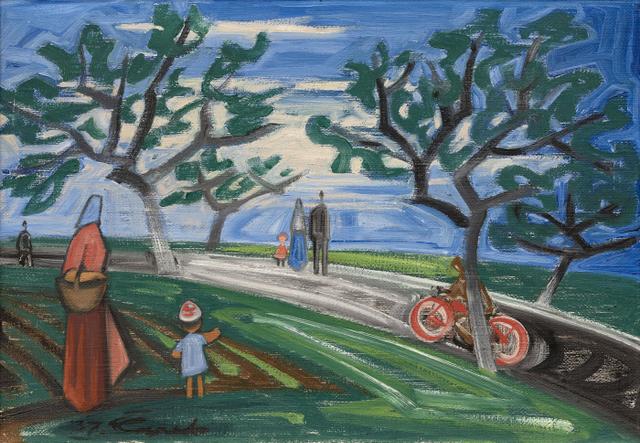
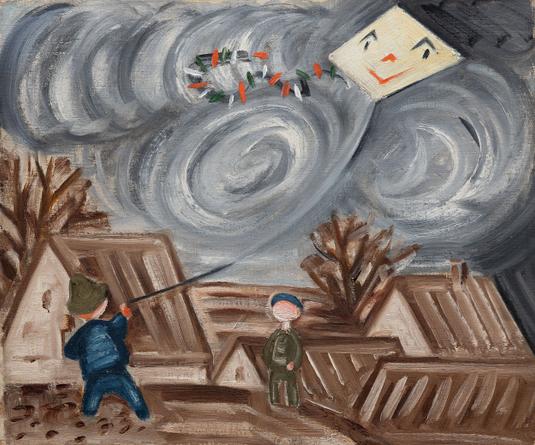
4,000,000 – 8,000,000
3,000,000 CZK
Final price:
13,200,000 CZK
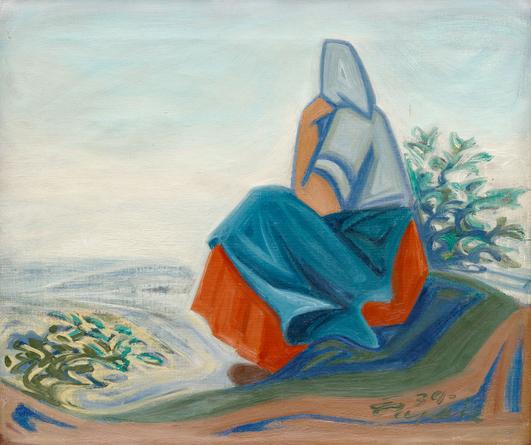
4,000,000 – 6,000,000
3,000,000 CZK
Final price:
10,920,000 CZK

3,800,000 CZK
Final price:
10,800,000 CZK
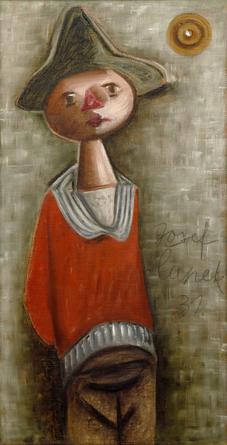
3,000,000 CZK
Final price:
10,320,000 CZK
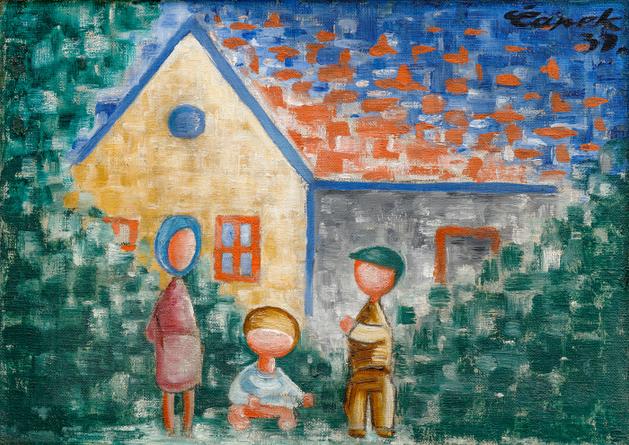
5,000,000 – 8,000,000
4,000,000 CZK
Final price:
9,960,000 CZK
3,000,000 – 6,000,000
2,500,000 CZK
Final price:
8,280,000 CZK
4,000,000 CZK
Final price:
7,920,000 CZK
3,000,000 CZK
Final price:
7,440,000 CZK
3,000,000 – 5,000,000
2,500,000 CZK
Final price:
7,320,000 CZK
4,000,000 – 8,000,000
3,500,000 CZK
Final price:
7,320,000 CZK
5,800,000 CZK
Final price:
6,960,000 CZK
4,000,000 – 7,000,000
3,500,000 CZK
Final price:
6,120,000 CZK
2,500,000 – 5,000,000
1,800,000 CZK
Final price:
4,320,000 CZK
3,500,000 CZK
Final price:
4,320,000 CZK
2,500,000 CZK
Final price:
3,240,000 CZK
3,000,000 – 5,000,000
2,500,000 CZK
Final price:
3,240,000 CZK
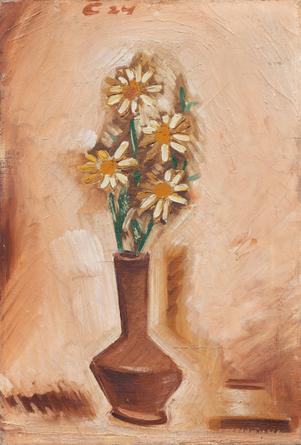
2,500,000 – 4,500,000
1,700,000 CZK
Final price:
3,120,000 CZK
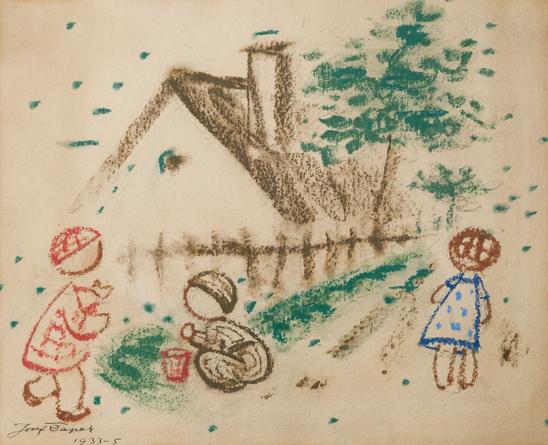
500,000 – 1,100,000
350,000 CZK
Final price:
2,520,000 CZK
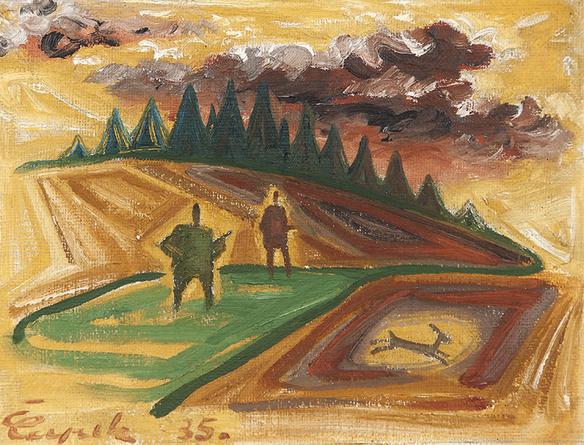
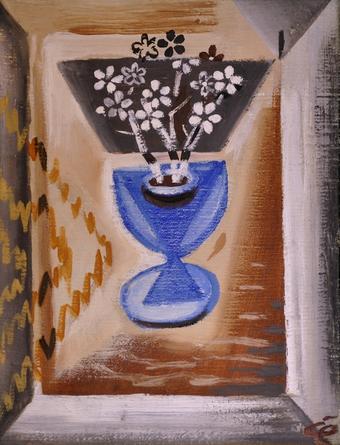
1,150,000 CZK
Final price:
2,100,000 CZK
500,000 – 1,000,000
300,000 CZK
Final price:
1,140,000 CZK
500,000 CZK
Final price:
1,140,000 CZK
150,000 CZK
Final price:
1,080,000 CZK
350,000 CZK
Final price:
780,000 CZK
100,000 – 300,000
60,000 CZK
Final price:
216,000 CZK
4,000,000 – 8,000,000
2,800,000 CZK