Antonín Procházka (1882–1945)
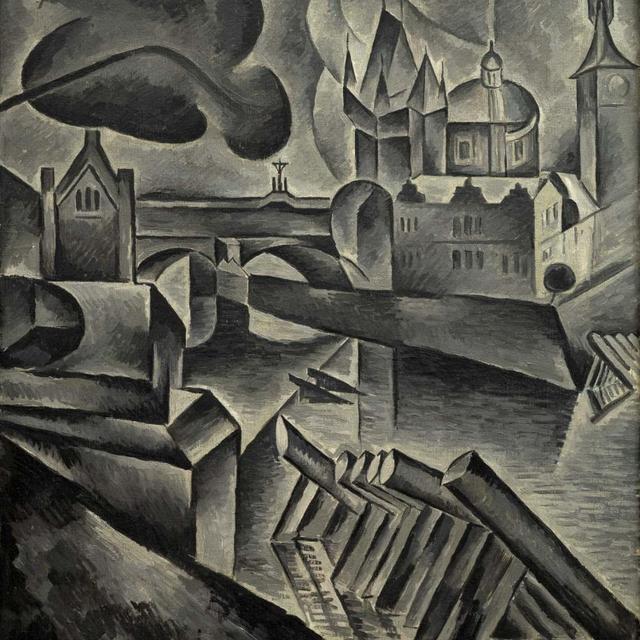
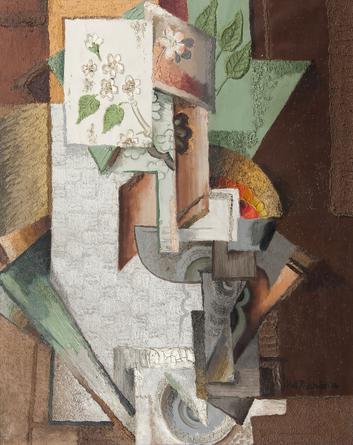
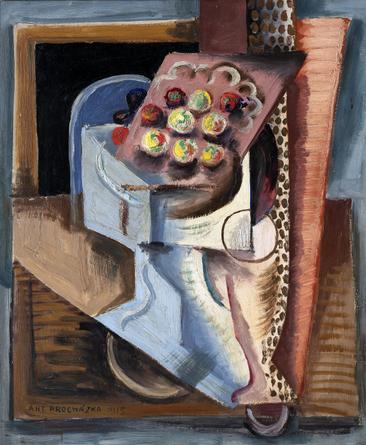
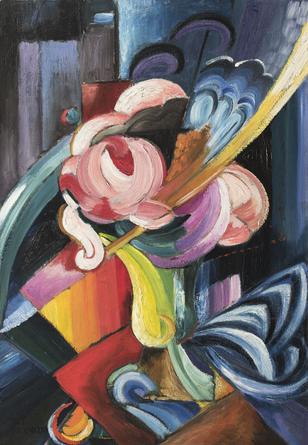
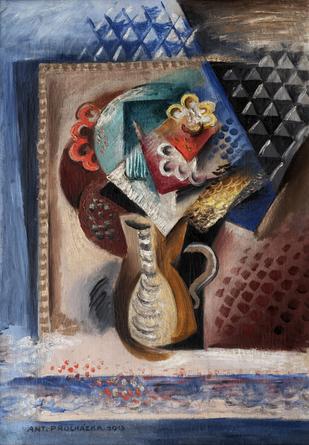
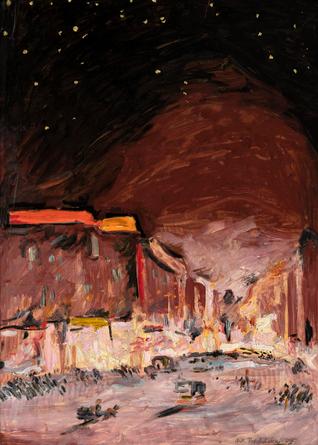
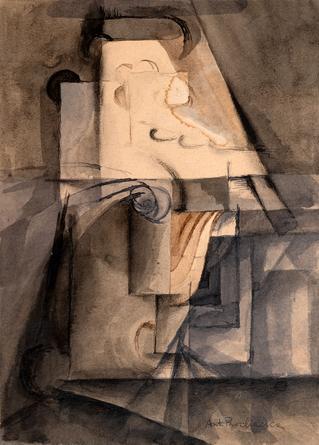
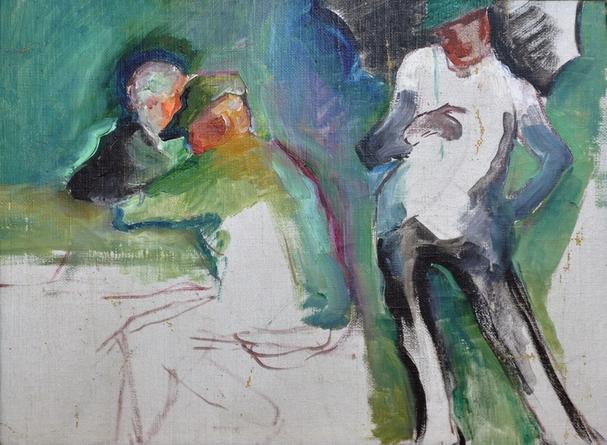
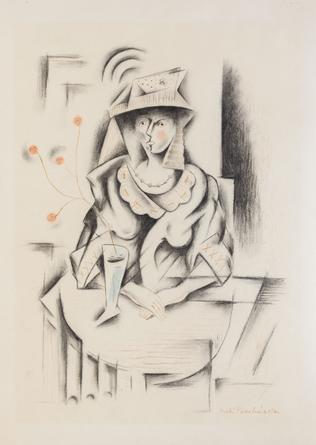
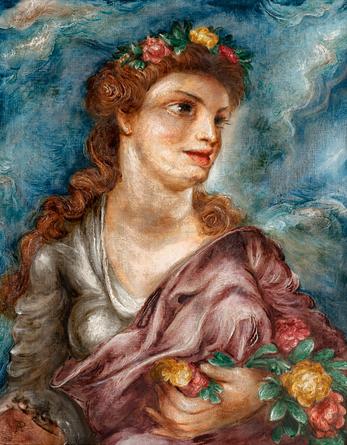
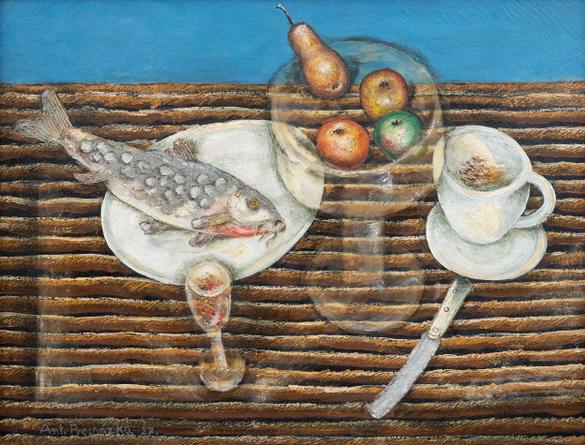
Antonín Procházka was a remarkable painter, draughtsman, printmaker and illustrator; he can rightly be considered one of the key figures of Czech interwar Modernism. He studied painting in Prague at the Academy of Arts, Architecture and Design (1903–1904) and the Academy of Fine Arts, where he frequented the studios of professors V. Bukovac, H. Schwaiger and M. Švabinský. The beginnings of his work are associated with the emergence of the first generation of Czech Modernists, who formed an association called Osma (The Eight, 1907–1908). He was also a member of the Mánes Association of Fine Artists, exhibiting with them in two phases: 1907–1911 and 1923–1929. Between 1907 and 1908, he travelled throughout Europe, spending time in Paris, Berlin, Amsterdam, Rome, Naples and Venice. In Germany, he met the painter Linka Scheithauer, whom he married immediately upon returning to Prague. In 1911, he became a member of the Skupina výtvarných umělců (Group of Visual Artists), which was of a Cubo-Expressionist bent. At this time, Procházka arrived at a personal expression of “Czech” Cubism (with many variations on folk art), which can be counted among the most original achievements in modern Czech painting (Prometheus, 1991). His creative endeavours of 1915–1921 are associated with a search for new techniques – the artist often incorporated sand into the oil medium and also employed the technique of encaustic painting, occasionally working the paste with the reverse side of the brush
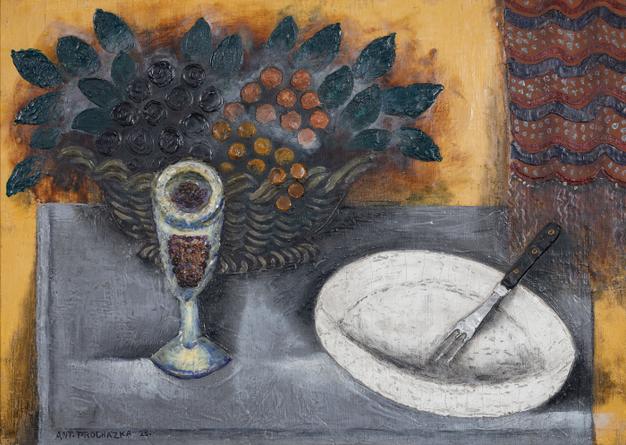
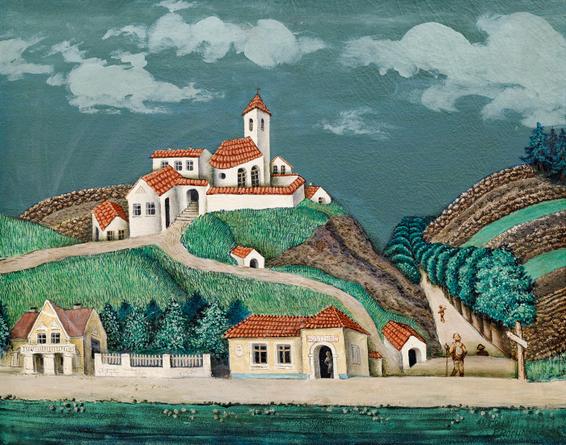
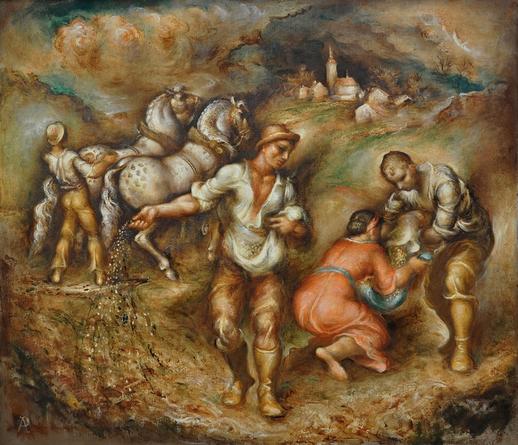
Procházka’s interwar work culminated with his activity as professor of drawing in Moravská Ostrava, Nové Město na Moravě (1921–1924) and Brno (from 1924). There, he joined the “urban” current of the Golden Twenties’ Civilism and, influenced by the art of Henri “Le Douanier” Rousseau, began working in a Neoclassical spirit. He employed communicativeness, humour and almost naively idealised elements of urban and rural environments in his work and became particularly fond of the motif of a painting as a “shop window.”
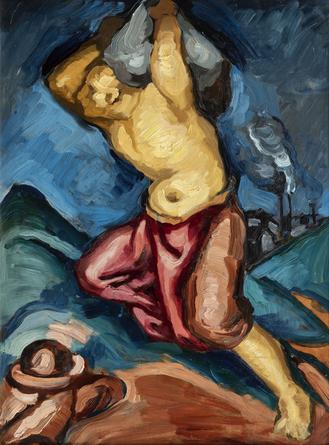
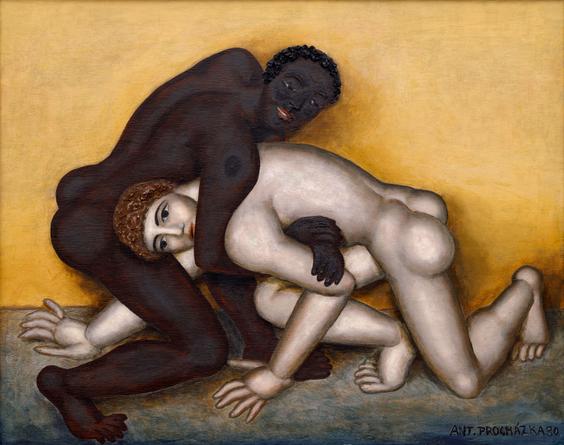
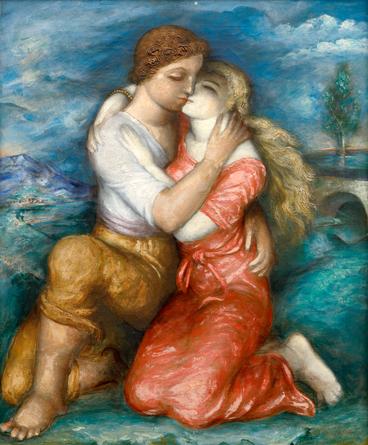
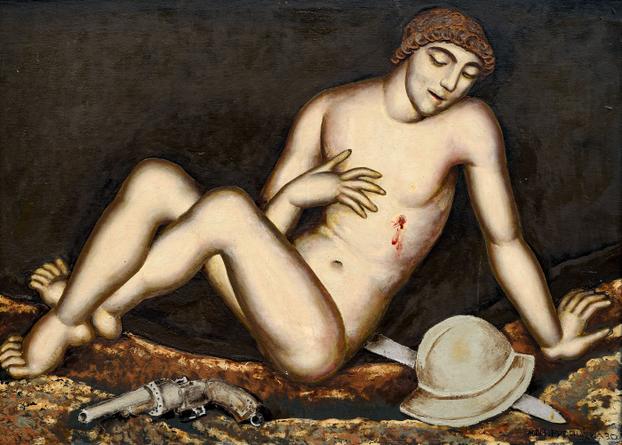
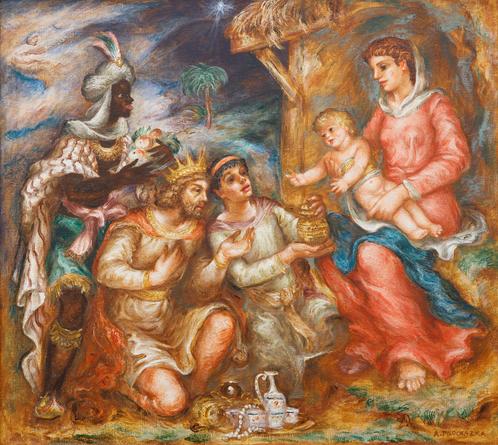
Procházka continued to participate in exhibitions in Paris, receiving the highest commendation on many occasions (the Gold Medal in 1925 and 1993, the Grand Prix 1937 at the World’s Fair). In the latter half of the 1930s, he, like Emil Filla, turned his attention to ancient and mythological topics, which he expanded in numerous monumental canvases that referenced his favourite masters (Rubens, Tintoretto, Daumier) with their Classicist tone. He created over 140 paintings throughout his life, often of impressive scale, many smaller sculptures, and designs for sculptures and models (e.g. of T. G. Masaryk).
Items of the author
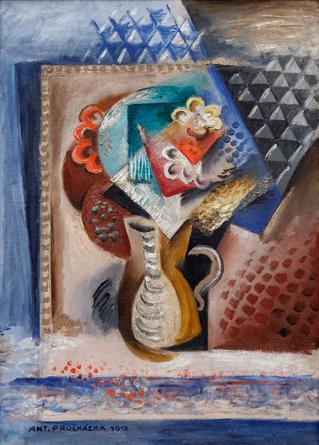
6,000,000 CZK
Final price:
14,400,000 CZK
8,000,000 CZK
Final price:
10,800,000 CZK
5,000,000 CZK
Final price:
10,200,000 CZK
1,500,000 CZK
Final price:
4,080,000 CZK
3,000,000 – 4,000,000
2,500,000 CZK
Final price:
3,000,000 CZK
700,000 – 1,300,000
600,000 CZK
Final price:
1,200,000 CZK
400,000 – 500,000
290,000 CZK
Final price:
552,000 CZK
400,000 CZK
Final price:
552,000 CZK
300,000 – 600,000
200,000 CZK
Final price:
420,000 CZK
150,000 – 300,000
100,000 CZK
Final price:
384,000 CZK
70,000 CZK
Final price:
156,000 CZK
2,000,000 – 3,000,000
1,400,000 CZK