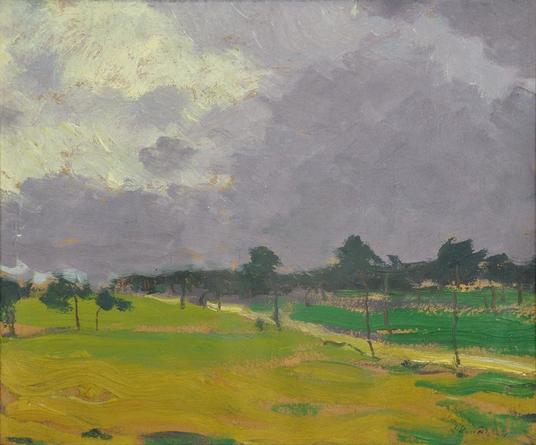
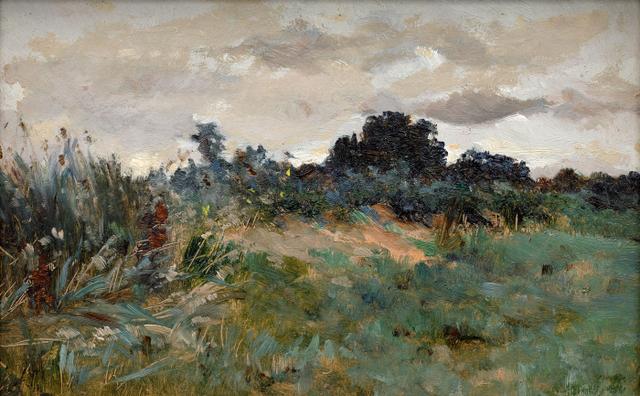
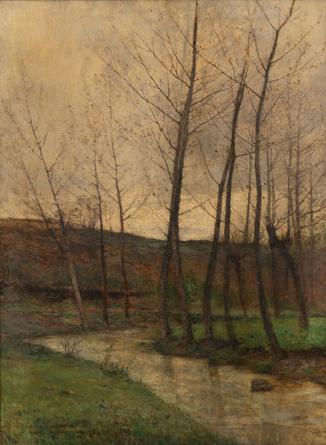
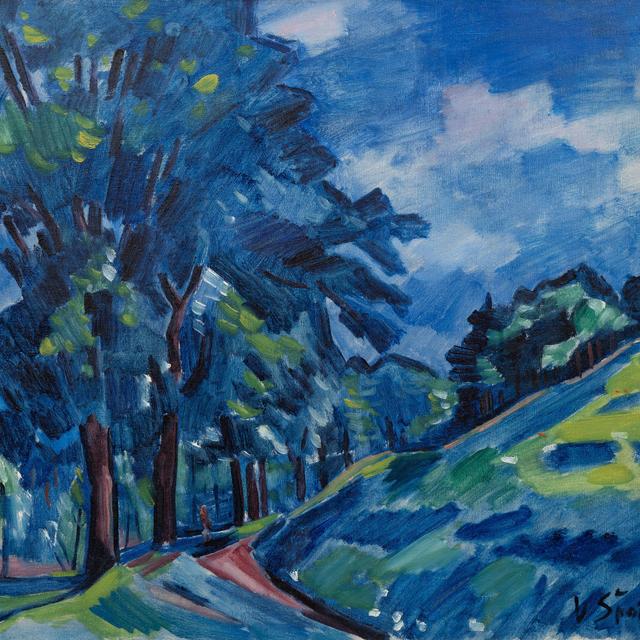
Antonín Slavíček (1870–1910)
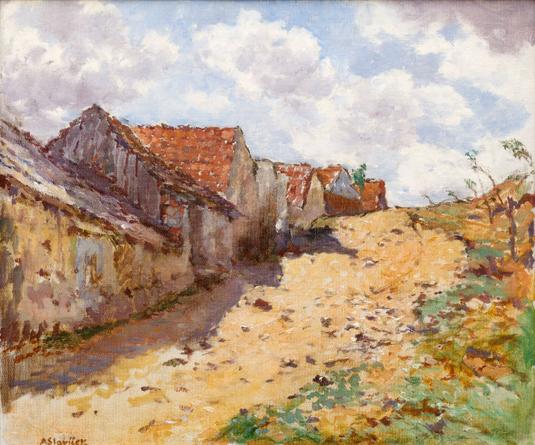
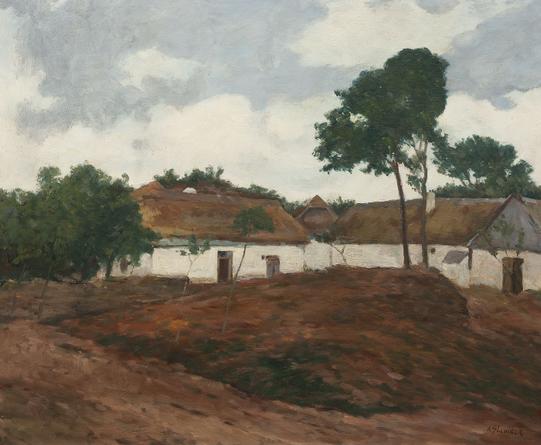
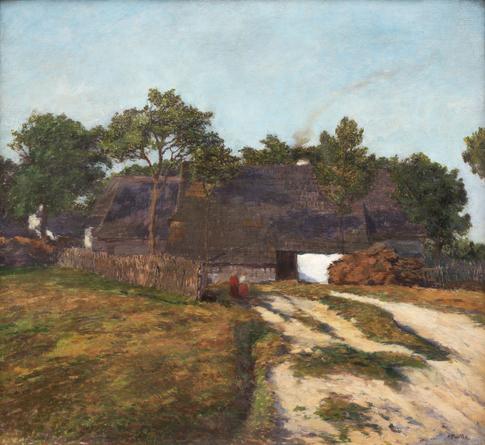
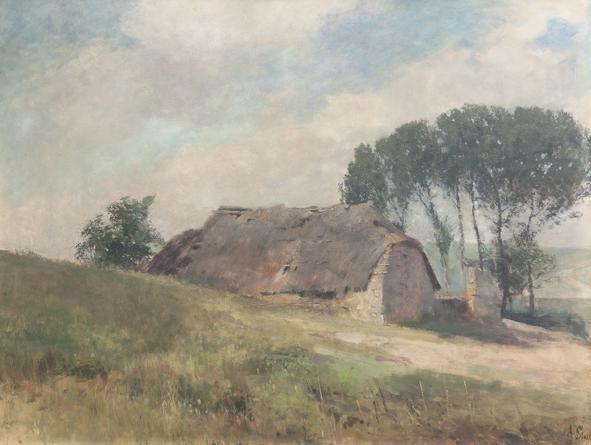
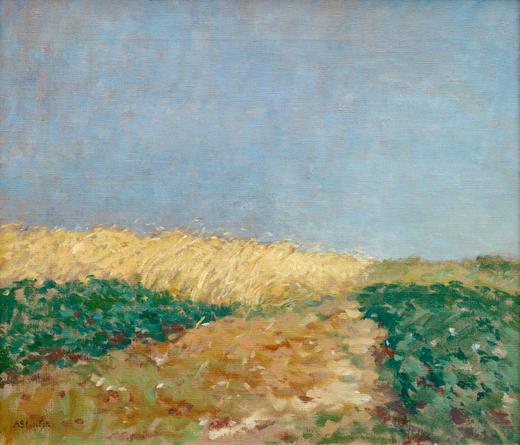
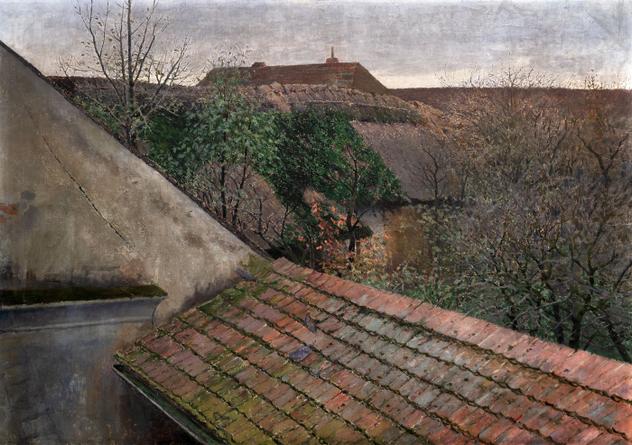
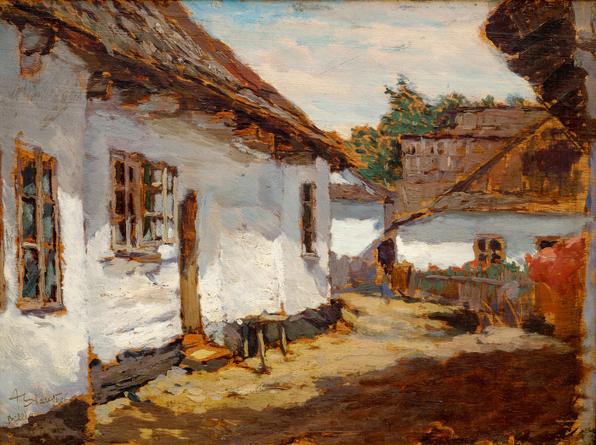
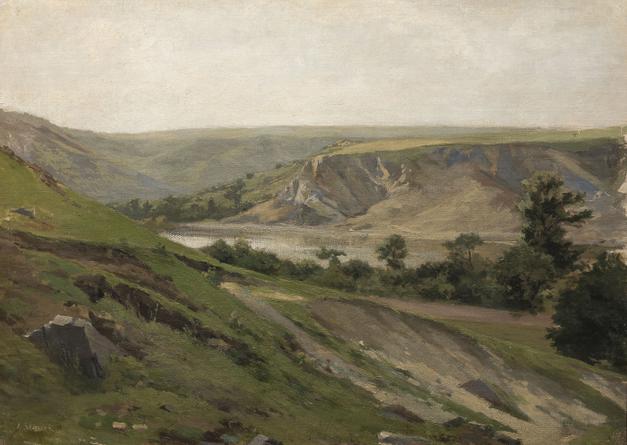
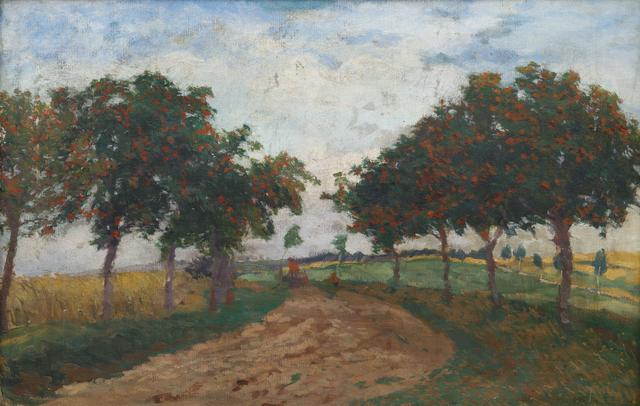
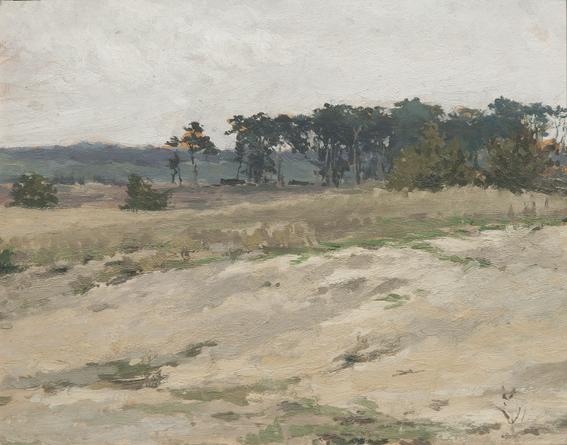
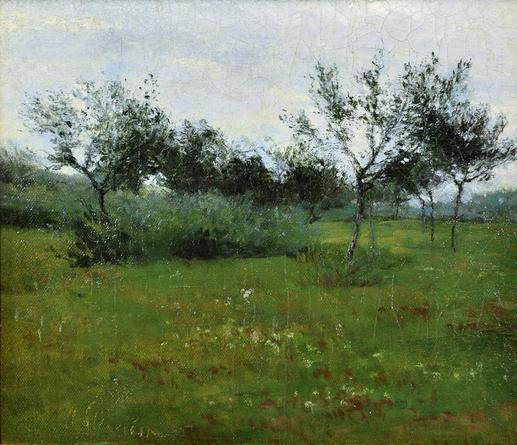
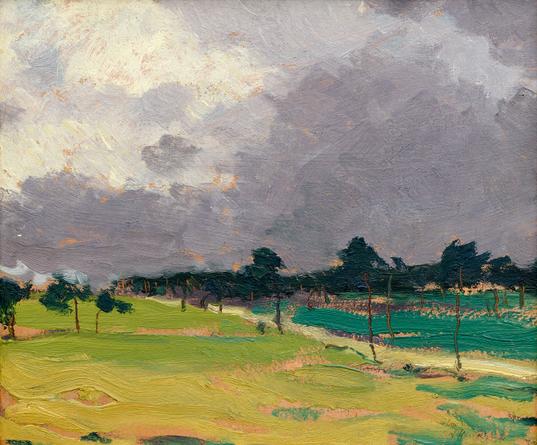
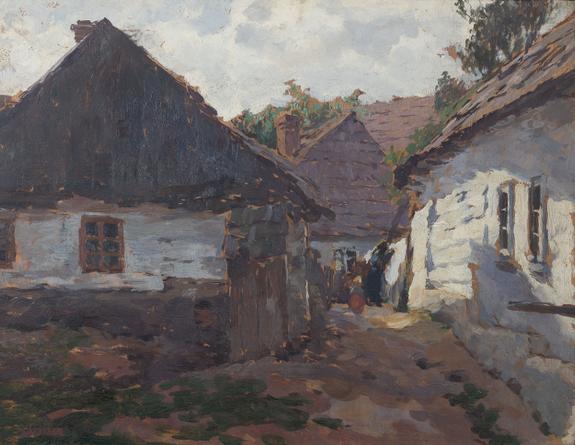
Antonín Slavíček was an important representative of Czech art around 1900 and is rightly acknowledged as the founder of modern Czech landscape painting, largely due to his masterful command in capturing light and shadow.
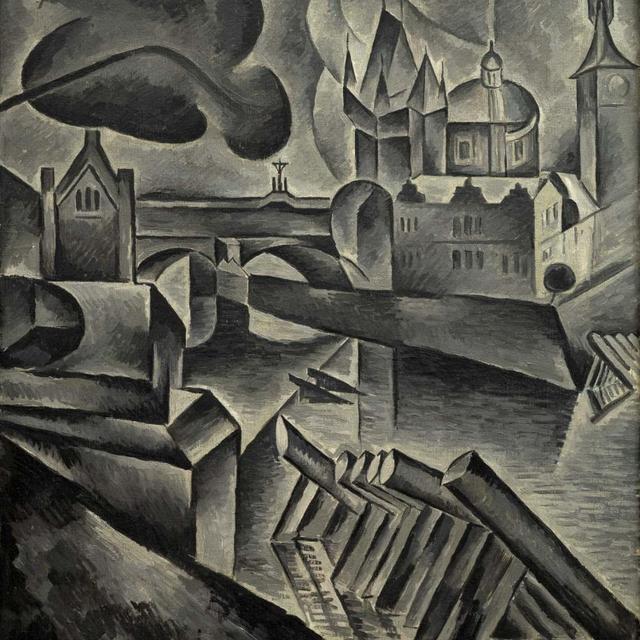
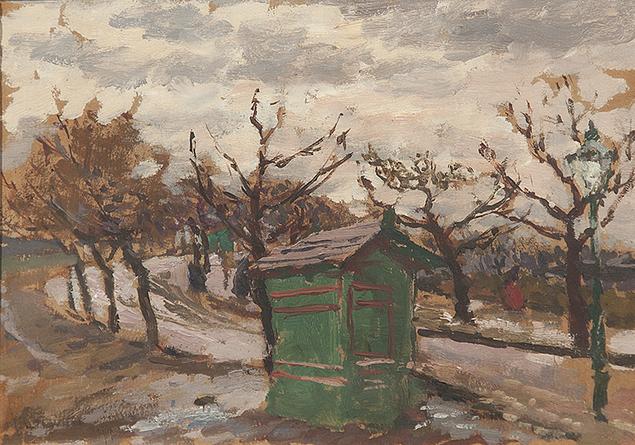
After a short stay in Munich, he began to study with a landscape specialist, Professor Julius Mařák. He interrupted his studies several times, however, and in 1888, most likely because of a disappointment in love, he withdrew to the Benedictine monastery in Rajhrad, Moravia. From 1894 to 1899, he joined Mařák’s studio in painting outdoors in the Prague countryside (Okoř, Hvězda and Liboc) and Bechyně, and even led Mařák’s school for a time. He became a member of the Mánes Association of Fine Artists in 1898 and immersed himself in painting, particularly during stays with his family in Veltrusy. Soon, he became a respected leading figure among the artists of the 1890s generation. Stylistically, Slavíček drew on the moody realism of Mařák’s school, as well as impulses from the work of A. Chittussi. With the end of the century and based on experience abroad, he moved closer to Impressionism, deploying a personal approach to rendering light. Between 1898 and 1902, he created paintings by applying patches of colour – hurriedly and tremulously – which evoked a sense of movement and swirling. In terms of subject matter, around 1900 he looked beyond landscapes towards Prague’s outer suburbs and the hidden corners of the city’s redeveloped districts, which he captured in many small studies executed with an expressive painterly signature that he later translated into larger formats (e.g., Eliška Bridge, 1906).
A key period coincided with the artist’s residence in Kameničky (1903–1905). There, finer brushwork evolved into distinct, irregular colour planes. He created the famous painting House in Kameničky (1904), now part of the collections of the National Gallery in Prague, in this style. In the painting, he attempted to depict the character and transformations of the landscape and expressed his mastery in capturing light. A certain loosening of style is evident in subsequent works. After 1905, the hidden corners of Prague emerged as a new inspiration and principal theme in Slavíček’s work. In 1907, he travelled to Nuremberg, Strasbourg, Paris, Bretagne and Brussels. A number of unfinished paintings date from his later period (St. Vitus’s Cathedral, 1909). His final years are marked by sad events. After Slavíček and his wife returned from a therapeutic stay in Dubrovnik, the artist suffered a stroke, as a result of which he chose to end his life in 1910, aged only 40.
Items of the author
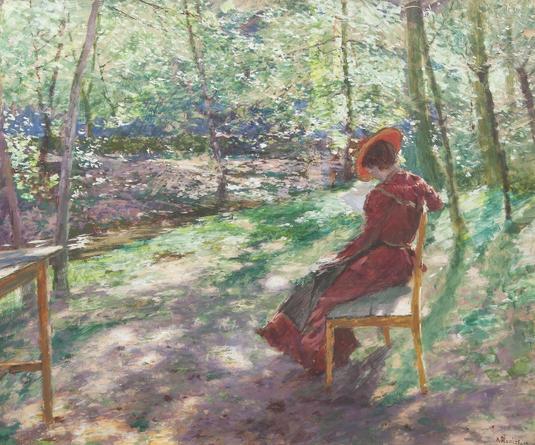
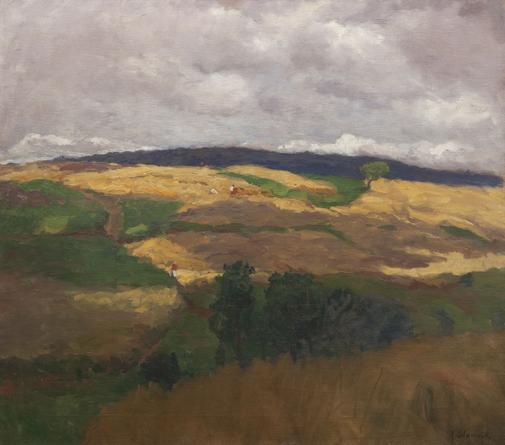
6,000,000 CZK
Final price:
13,440,000 CZK
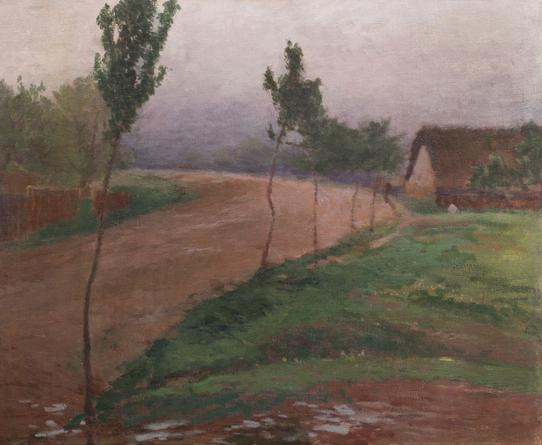
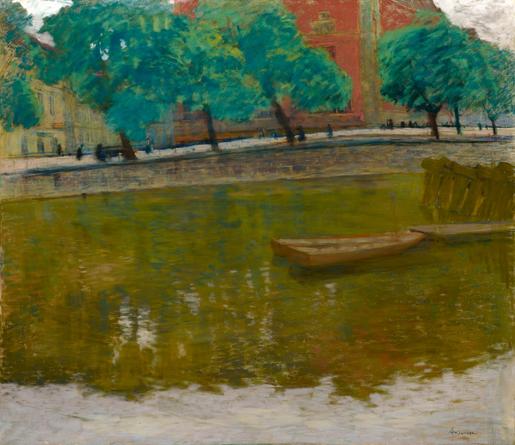
1,000,000 CZK
Final price:
6,000,000 CZK
2,800,000 CZK
Final price:
4,800,000 CZK
3,500,000 CZK
Final price:
4,680,000 CZK
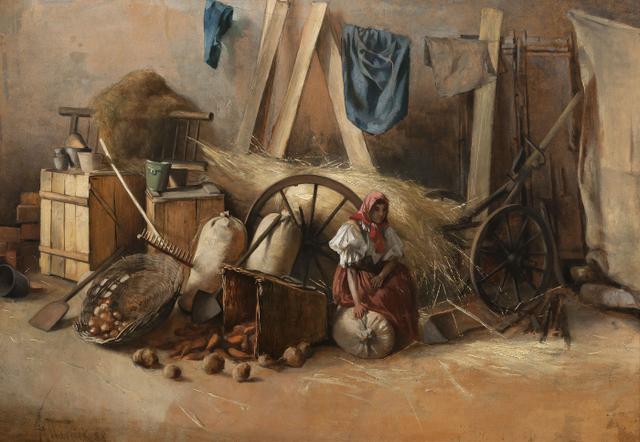
3,000,000 CZK
Final price:
3,840,000 CZK
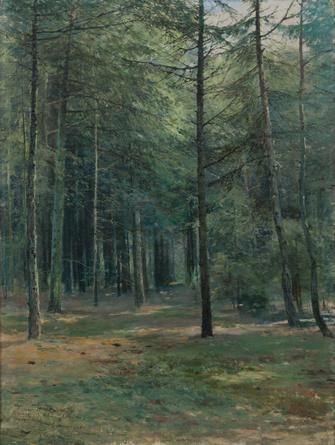
1,800,000 – 2,800,000
1,500,000 CZK
Hammer price:
3,000,000 CZK
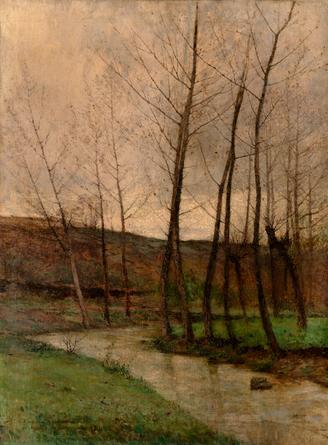
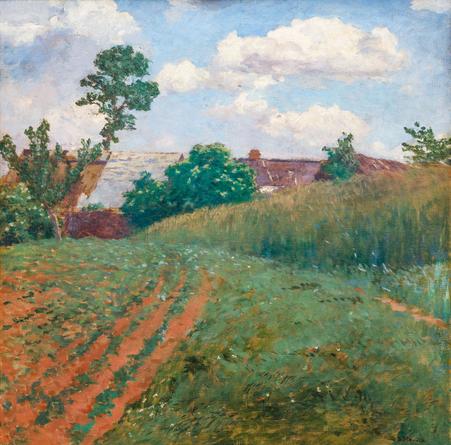
3,500,000 – 6,500,000
2,800,000 CZK
Final price:
3,360,000 CZK
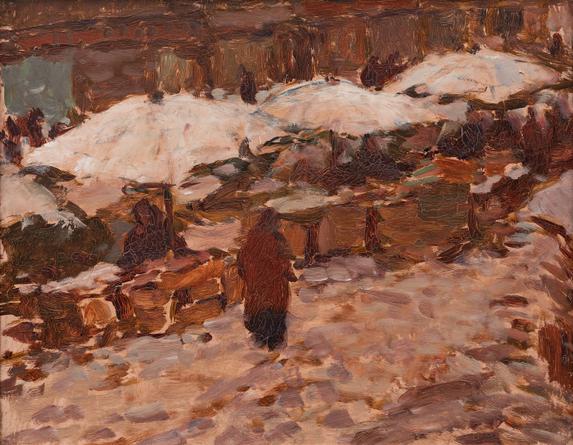
2,700,000 CZK
Final price:
3,240,000 CZK
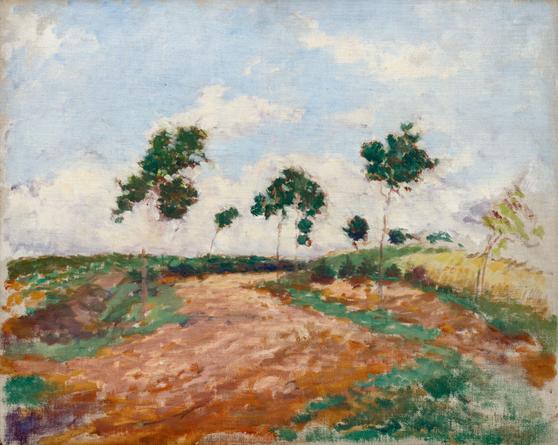
2,000,000 – 5,000,000
1,800,000 CZK
Final price:
3,000,000 CZK
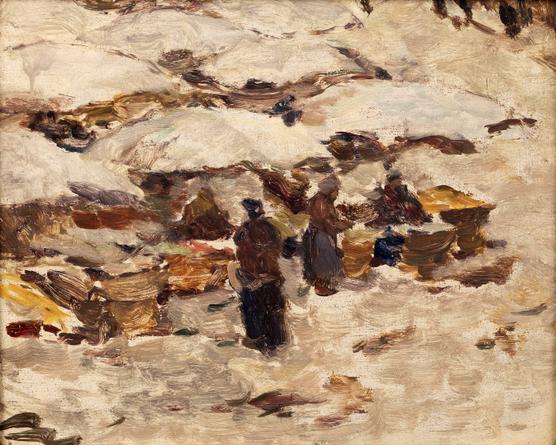
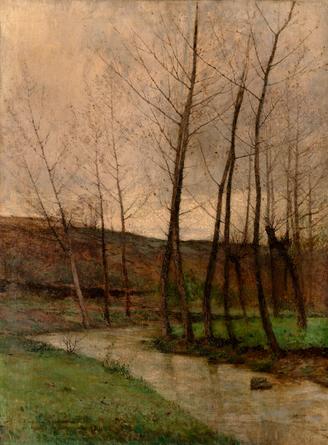
3,000,000 – 4,000,000
1,900,000 CZK
Final price:
2,520,000 CZK
3,000,000 – 4,000,000
2,000,000 CZK
Final price:
2,520,000 CZK
2,000,000 – 4,000,000
1,500,000 CZK
Hammer price:
1,800,000 CZK

1,000,000 CZK
Final price:
1,920,000 CZK
1,500,000 – 2,500,000
800,000 CZK
Final price:
960,000 CZK
300,000 CZK
Final price:
720,000 CZK